
Introduction
Over the last decade, the lighting industry has undergone a major transformation. Traditional lighting methods are quickly being replaced by LED technologies that offer better energy efficiency, design flexibility, and longer life spans. Among the many components that make up a complete LED system, LED strip lights and the power supplies that support them are two of the most essential. While these may seem like simple parts on the surface, their quality and compatibility can make a significant difference in performance and reliability.
The Role of Quality in LED Manufacturing
When it comes to LED lighting, quality isn’t just a buzzword it’s the foundation of performance. From the chip to the circuit board, every element contributes to how long a product will last and how well it performs under varying conditions. This is especially true in strip lighting systems where dozens or even hundreds of LEDs are used in sequence. If one element fails or the materials aren’t up to standard, the entire system could be compromised.
Manufacturing standards play a critical role in ensuring consistency. The best results are often seen when companies invest in advanced testing, material selection, and thermal management strategies. These steps may not be visible to the end user, but they make a lasting impact over time.
Applications of LED Strip Lighting in Today’s World
LED strip lights are incredibly versatile. Architects use them to add ambient or accent lighting to buildings. Interior designers integrate them under cabinets, along staircases, and around ceilings to create mood and highlight design features. In commercial spaces, they are used in signage, display lighting, and even task lighting. This flexibility is made possible by their thin profile, ease of installation, and wide range of color options.
These strips aren’t limited to indoor applications either. Waterproof and weather-resistant versions allow for use in outdoor signage, landscape lighting, and event installations. This level of adaptability makes them one of the most useful forms of LED lighting available today.
What Makes a Reliable LED Strip Lights Manufacturer
Finding a dependable LED Strip Lights manufacturer involves more than just browsing product catalogs. It’s about understanding the processes behind the production. The reliability of LED strips depends on the design layout, binning quality of the LED chips, heat dissipation methods, and soldering precision. Companies with a strong focus on research and development often stay ahead in innovation, offering better efficiency and more durable products.
In addition, a manufacturer’s commitment to meeting international standards and performing rigorous product testing can be a sign of their dedication to long-term quality. The supply chain also matters how components are sourced, handled, and assembled can significantly influence the final product.
The Importance of Choosing the Right LED Power Supply
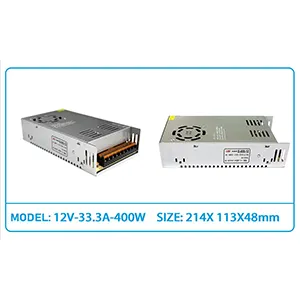
While the LED strip is the visible part of the lighting system, the power supply is the engine that keeps it running. Choosing the right one is critical for ensuring smooth operation. Factors such as voltage range, wattage output, and protection features like overload and short-circuit safeguards are essential to consider.
A mismatch in power capacity or inadequate protection can lead to overheating, flickering, or even early failure. In high-demand applications like signage or continuous architectural lighting, these issues can be costly and inconvenient. That’s why selecting a power supply that matches the strip’s requirements is just as important as the strip itself.
Insights into a Trustworthy LED Power Supply manufacturer
Behind every high-performing power source is a well-structured design process. A reliable LED Power Supply manufacturer doesn’t just assemble components, they engineer solutions. This includes developing efficient circuit boards, using high-quality capacitors, and ensuring tight voltage regulation under different load conditions.
Certifications like CE, RoHS, and UL aren’t just logos; they indicate the product has passed important safety and performance benchmarks. A manufacturer that offers a wide range of input/output combinations and waterproofing options shows a deeper understanding of market needs and environmental challenges.
How Compatibility Impacts Performance and Longevity
One of the most overlooked factors in LED systems is the importance of matching the power supply with the LED strip. Even high-quality products can underperform if they’re not designed to work together. The wrong voltage or insufficient amperage can cause flickering, while a lack of surge protection may lead to sudden failure during voltage spikes.
In contrast, when strip lights and power supplies are chosen for mutual compatibility, the benefits are immediate: smoother illumination, longer life, and higher energy efficiency. This synergy between components isn’t just good for performance it reduces maintenance costs and minimizes replacements.
Conclusion
LED strip lighting and power supplies form the core of modern lighting systems used in residential, commercial, and industrial settings. Behind the scenes, careful manufacturing practices, smart engineering, and thoughtful pairing of components determine how successful these systems are over time.
For professionals in architecture, design, or installations, understanding the role of these components helps in making more informed decisions. It’s not just about light it’s about building systems that are efficient, safe, and built to last.