
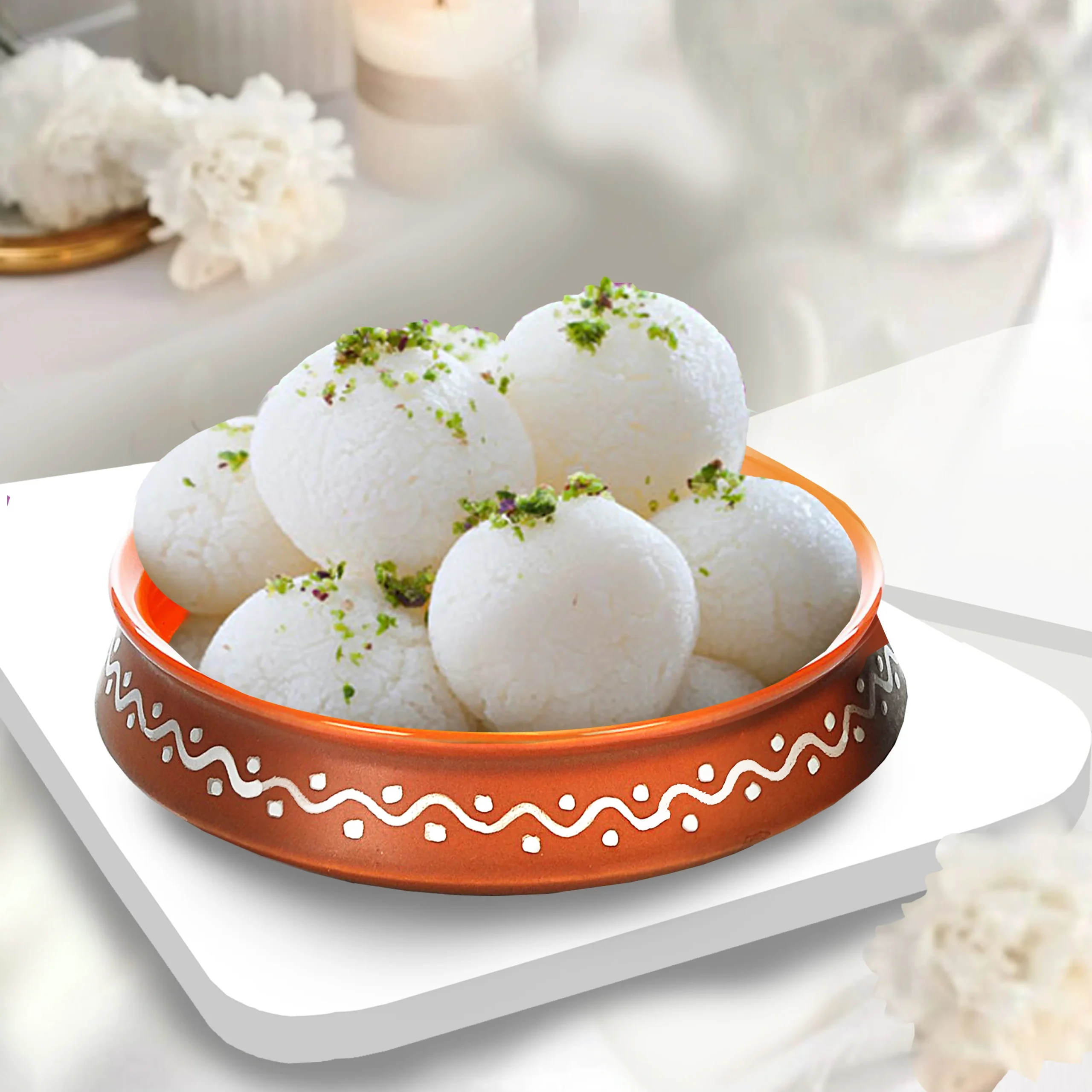
A beloved staple of Indian cuisine, rasgulla is a spongy, syrup-soaked treat. This dessert, which is mainly from West Bengal and Odisha, is renowned for its sweet taste and light texture. It’s a staple at festivals, weddings, and other festivities, but how many people stop to think about the ingredients that go into this delectable treat?
This article examines the calorie content of a single rasgulla, going into great detail about its nutritional composition, potential health risks, recommended consumption, and variations. Knowing what’s in that one delicious rasgulla can help you make healthier food choices without compromising your enjoyment, regardless of whether you’re a dessert enthusiast or following a strict diet.
A Rasgulla: What Is It?
It’s critical to comprehend what a rasgulla is before delving into statistics and nutrition. Traditionally, rasgulla is a sponge-like dessert that absorbs syrup to become juicy and light. It is created with chhena (Indian cottage cheese) and a small amount of semolina, formed into balls, and boiled in sugar syrup. It has more calories than it looks, despite its fluffy appearance.
Although it contains a variety of carbohydrates, proteins, fats, and sugars that all contribute to its calorie profile, each bite packs a sweet punch.
A Rasgulla’s Calories
What is the calorie count of a single rasgulla?
Depending on how they are prepared, a typical rasgulla (around 50 grams) has between 120 and 150 calories. Commercially packaged varieties may be heavier because of additional sugar and preservatives, but homemade versions are typically lighter.
Breakdown of 1 Rasgulla’s Calories (around 50g):
Between 120 and 150 kcal
25–30g of total carbohydrates
20–25g of sugar
2–3g of protein
2–4g of fat
Blood cholesterol: 10–15 mg
Sodium: 30–50 mg
A few rasgullas can rapidly mount up, especially given the syrup’s high sugar content, yet one may not ruin your diet.
How Does the Calorie Count Change?
The main sources of rasgulla’s calories are:
Chhena, or cottage cheese, is high in fat and protein.
The main source of simple sugars and carbs is sugar syrup.
Semolina: Offers a tiny quantity of complex carbs along with texture.
Wringing out the syrup doesn’t significantly reduce the calorie content because boiling absorbs the majority of the sweetness. A dense source of simple carbohydrates is concealed by the light, sponge-like texture.
Store-bought versus homemade rasgullas
The number of calories in homemade and store-bought rasgullas differs significantly.
Homemade Rasgullas: You may better regulate the calories by regulating the components, especially the quantity of sugar and the quality of the milk. A homemade rasgulla may have between 100 and 110 calories.
Preservatives or stabilizers may raise the calorie content of packaged rasgullas to 150 or more per piece, and they frequently arrive steeped in thick sugar syrup.
When eating packaged sweets, always read the label. One can easily take more than 300 calories without realizing it because some tins state that the serving size is “two pieces.”
Nutritional Advantages (Yes, Some Exist)
Rasgulla has some nutritional value even if it’s a dessert:
Protein: Rasgullas provide some protein, which aids in muscle health and tissue repair, thanks to chhena.
Calcium: This dairy-based confection supports healthy bones and teeth.
Low in Saturated Fat: When made the traditional way, rasgullas contain less fat than fried sweets like gulab jamun or jalebi.
However, when weighed against the amount of sugar, these advantages are negligible. Rasgullas are best enjoyed as a pleasure occasionally rather than as a nutritious food.
Effects on Glycemic Index and Blood Sugar
The high glycemic index (GI) of rasgullas is one of the primary issues. They quickly raise blood glucose levels since they are drenched in sugar syrup. Even one rasgulla can result in difficult-to-control increases for those with diabetes or insulin resistance.
Individuals that have blood sugar problems ought to:
Eat no more than half a rasgulla or choose sugar-free varieties that use natural or artificial sweeteners.
To slow the absorption of sugar, eat it with a high-fiber or high-protein meal.
Can You Eat Rasgullas to Lose Weight?
Yes, but in a disciplined manner. Here’s how:
Keep Track of Calories: 120–150 calories per rasgulla. It’s feasible to occasionally fit one in if you’re following a 1,500-calorie diet.
Reduce Frequency: Consider rasgullas as occasional treats rather than everyday sweets.
The advantage of making them at home is that you can use natural sweeteners like stevia and lower the amount of sugar.
Balance Your Day: If you have a rasgulla for lunch, think about cutting back on supper or getting in a quick stroll in the evening.
Total daily and weekly calorie consumption is important when trying to lose weight. Thus, it is possible to “budget” for a rasgulla.
Options for People Who Care About Their Health
Try these if you enjoy the taste but would like something healthier:
Made with erythritol or stevia, sugar-free rascalla has a lot fewer calories.
Baked Rasgulla: A contemporary variation that completely omits the syrup.
Rasgulla in Light Syrup: For more taste and less sweetness, cut back on the sugar or thin it up with lemon or rose water.
Protein Rasgulla: Mix the chhena with whey isolate or use high-protein milk.
These variants lower the glycemic load while maintaining a large portion of the flavor.
Cultural Importance
Rasgulla is more than just food; it’s a feeling. Rasgullas are a symbol of happiness and hospitality, whether they are used in Bengali Durga Puja or during Odisha weddings. They are frequently the first confection presented to both gods and guests.
Given that Bengal and Odisha each claim to be the birthplace of the rasgulla, the sweet has actually spurred cultural arguments. Rasgulla is undoubtedly a national favorite in India, regardless of its place of origin.
Satiety and Digestibility
Because they are not fried and have less fat than other Indian sweets, rasgullas are typically simpler to digest. However, they don’t offer much satiety because they are low in fiber and heavy in sugar. After eating one, you’ll probably be hungry again shortly after.
To increase their filling:
Serve with a meal high in protein.
Don’t eat them as a snack by themselves.
How Many Rasgullas Are Safe to Eat?
Occasionally, one or two rasgullas won’t be harmful to the health of the majority of healthy persons. However, one or less at a time should be the limit for people monitoring weight, cholesterol, or blood sugar levels.
Remember:
Three rasgullas provide enough calories for a full dinner.
Two rasgullas may include more sugar than the WHO recommends each day.
It all comes down to knowing when to stop and controlling portion sizes.
Rasgullas and children
The smoothness and sweetness of rasgullas make them a favorite among children. Children can occasionally eat rasgullas due to their energy demands, but parents should still keep an eye out for excessive sugar intake. For smaller children, particularly those under five, think about providing half a rasgulla.
Sugar-free varieties are a safer choice for kids who have diabetes or are overweight.
Should Fitness Enthusiasts Steer Clear of Rasgullas?
Not always. Rasgullas’ high sugar content allows athletes and gym-goers to swiftly replenish glycogen after a workout. But rather than being a recovery mainstay, this should be taken infrequently as a treat.
Rasgullas can be used sparingly as a cheat meal by bodybuilders who are bulking up.
How to Improve the Health of Rasgulla at Home
To cut down on fat, use low-fat milk rather than full cream.
To give the chhena balls a distinct flavor and extra micronutrients, boil them in light jaggery syrup rather than white sugar syrup.
To cut back on sugar, drain extra syrup before serving.
For taste without adding extra calories, infuse with spices or herbs like saffron or cardamom.
Concluding remarks
Light, fragrant, and very sweet, rasgulla is a gem among Indian desserts. But that sweetness has a cost: it contains a lot of calories and sugar. A single rasgulla might not seem like much, but frequent indulging can have negative effects, particularly for people trying to lose weight or manage long-term medical concerns.
You can enjoy rasgullas guilt-free if you know how they are broken down nutritionally and make wise decisions. With a little more awareness, rasgullas may still be a part of your lifestyle, whether you decide to make a healthy version at home or have one after a festive dinner.